Miura Anjin and Jodoji Temple

As the Family Temple of Miura Anjin
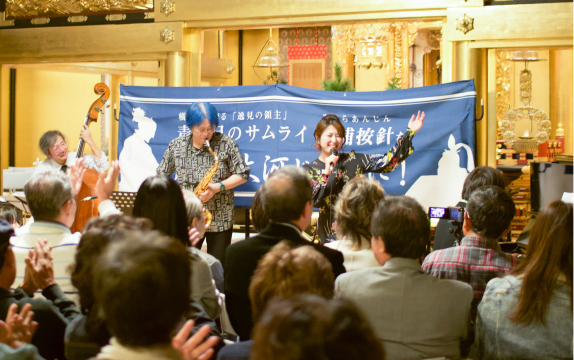
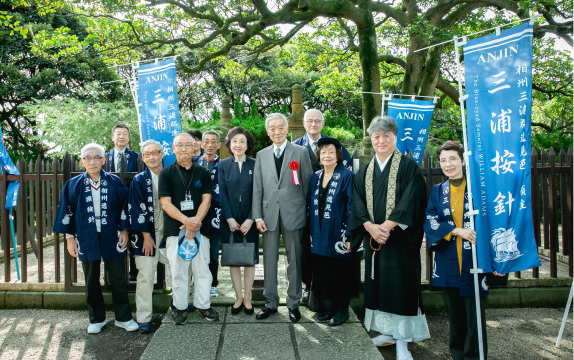
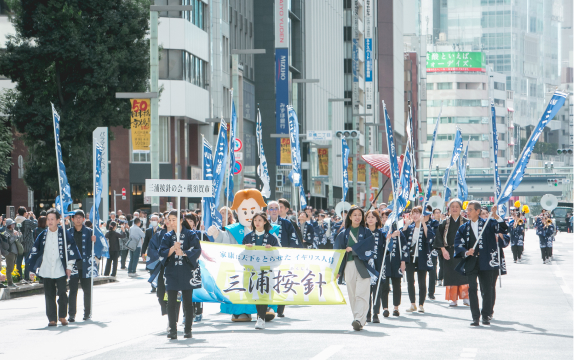
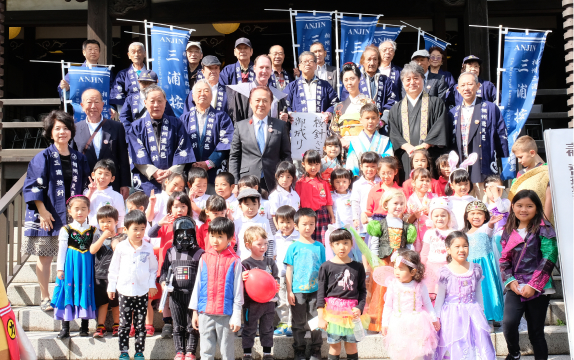
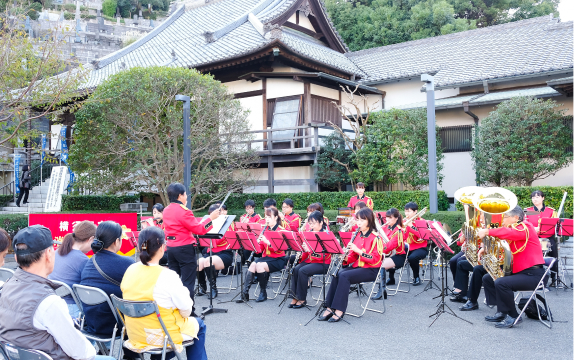
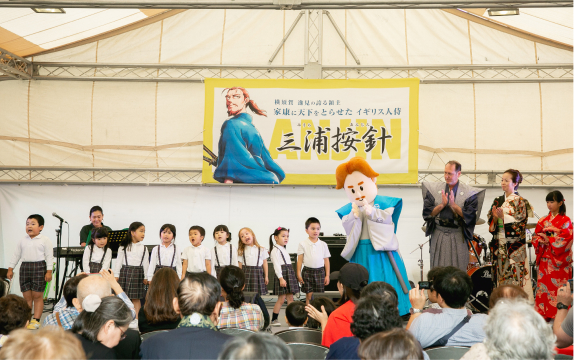
Jodoji Temple is the family temple of Miura Anjin, the English samurai who came to Japan in the early Edo period and served Tokugawa Ieyasu as a diplomatic advisor. The temple preserves items associated with Anjin, including a statue of Kannon that he is said to have kept as his personal devotional image. Every spring, a memorial service called the “Anjin Memorial Service” is held, and the temple also serves as a venue for local community events such as the “Anjin Festa,” where his achievements are celebrated together with the town.
Who Was Miura Anjin?
Miura Anjin served Tokugawa Ieyasu as a diplomatic advisor in the early Edo period and contributed to Ieyasu’s unification of Japan. “Miura Anjin” was his Japanese name. He was born in Gillingham, Kent, England, and his real name was William Adams. He was the first Englishman to come to Japan. The Dutch ship Liefde, on which Adams was sailing, arrived in Japan in April 1600 — about half a year before the Battle of Sekigahara.
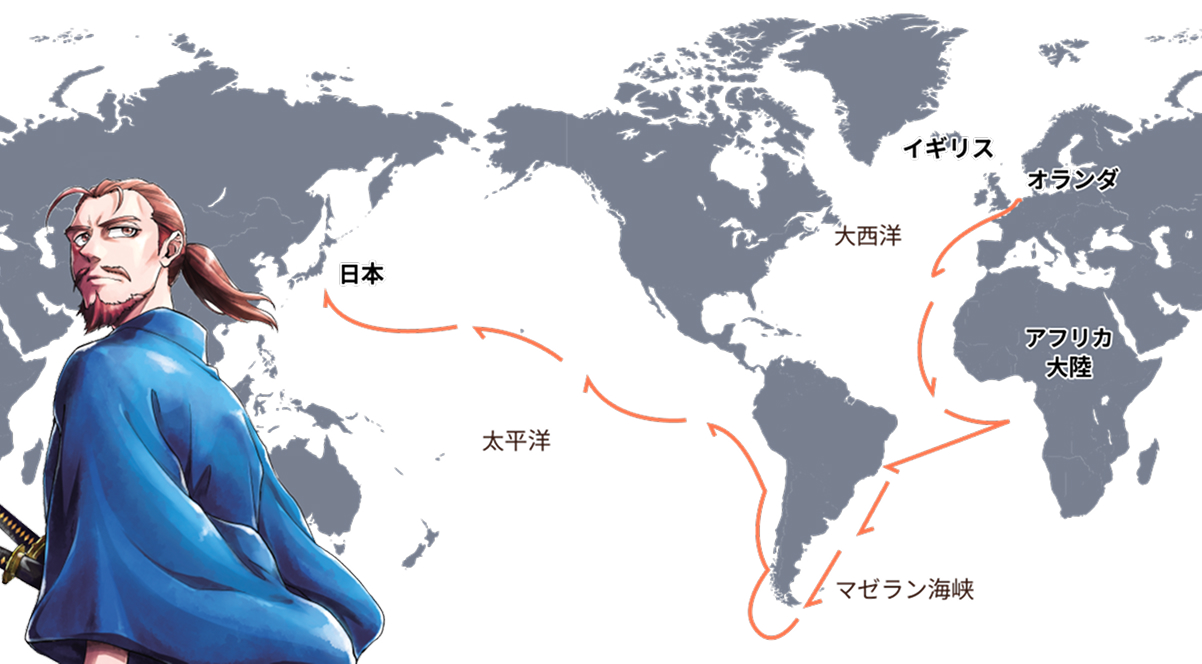
Henmi and Anjinzuka
Tokugawa Ieyasu took a liking to Anjin and wished for him to remain in Japan. He granted him the status of a hatamoto (direct retainer) and made him the lord of 250 koku in Henmi Village, Miura District (present-day Henmi, Yokosuka City). Anjin was the only foreign-born samurai to become a feudal lord in Japanese history. He built a residence in Henmi and married a Japanese woman. According to the historical record “Shinpen Sagami no Kuni Fudoki-ko,” his residence was located south of Jodoji Temple.
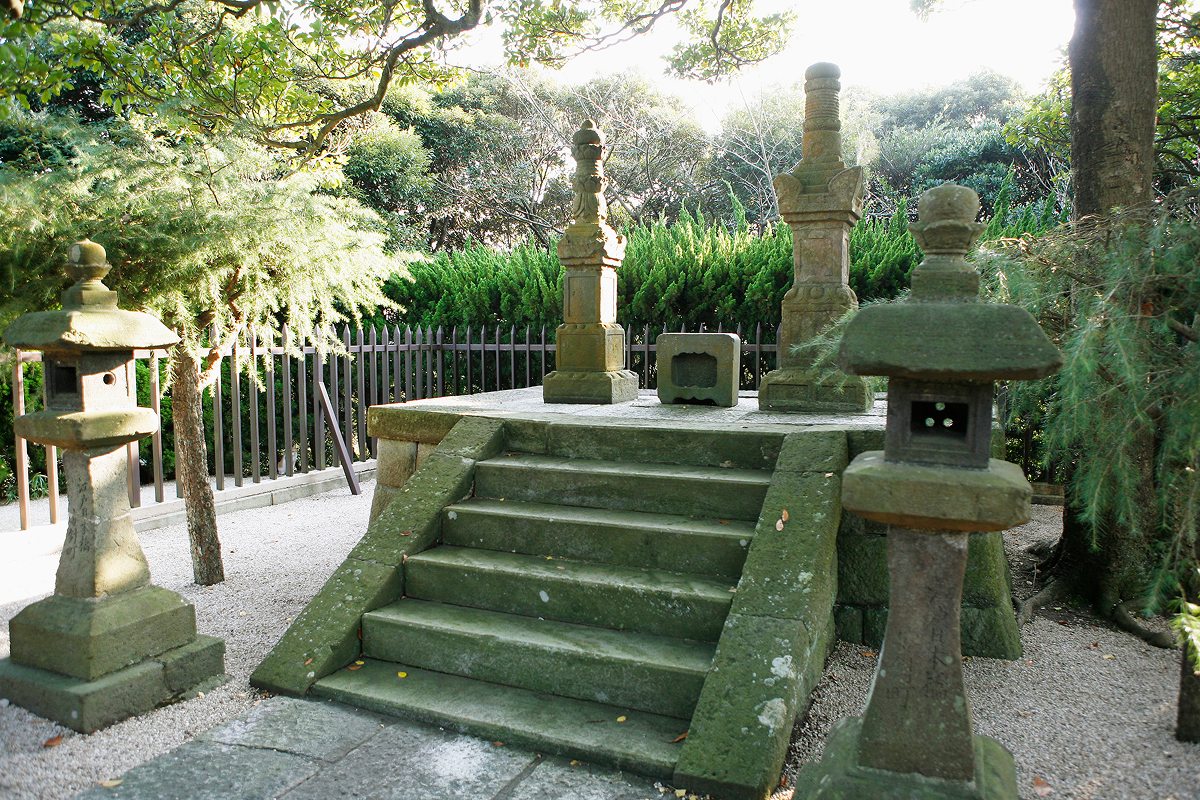
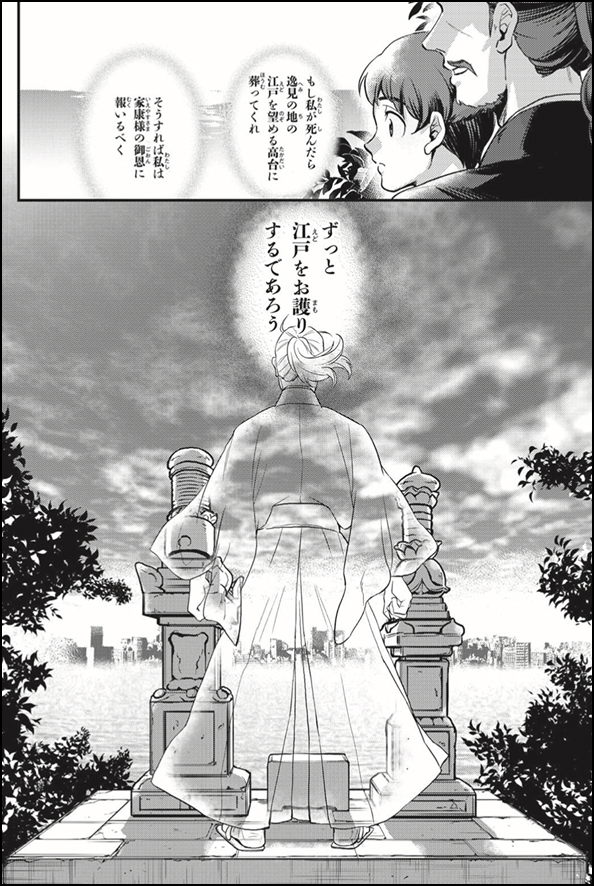
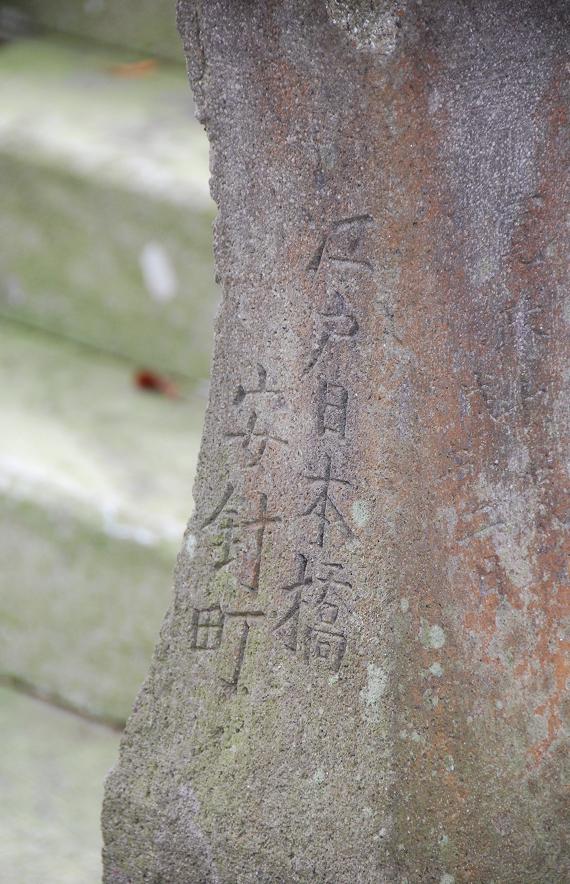
Anjinzuka is located at the highest point of Tsukayama Park, a famous cherry blossom site. It is the collective name for the graves of Miura Anjin and his wife and is designated as a National Historic Site under the name “Grave of Miura Anjin.” According to tradition, Anjin requested to be buried in a high place overlooking Edo so that he could continue to protect the shogunate after death. The tomb is built in the hōkyōintō style, used for revered figures, and is flanked by stone lanterns donated from Nihonbashi Anjin-cho.
Treasures Related to Miura Anjin
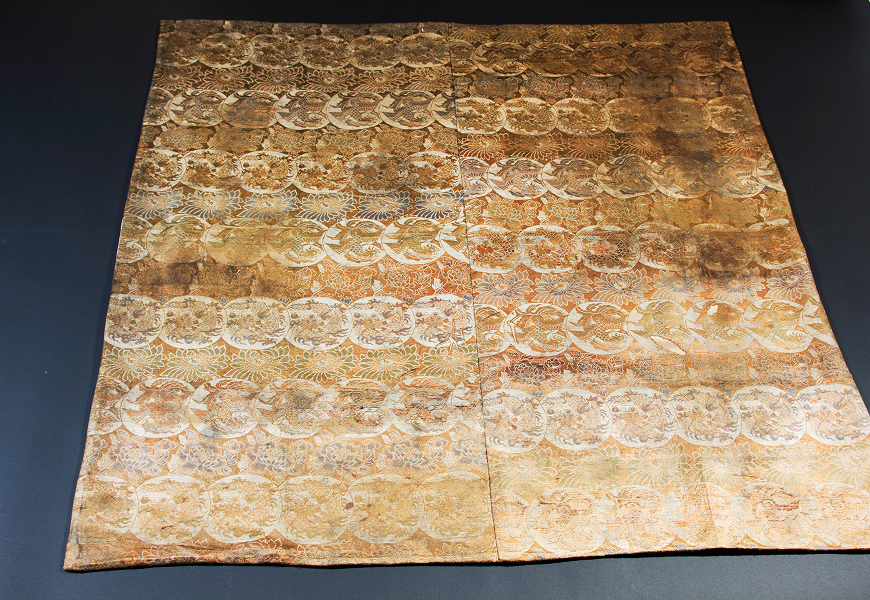
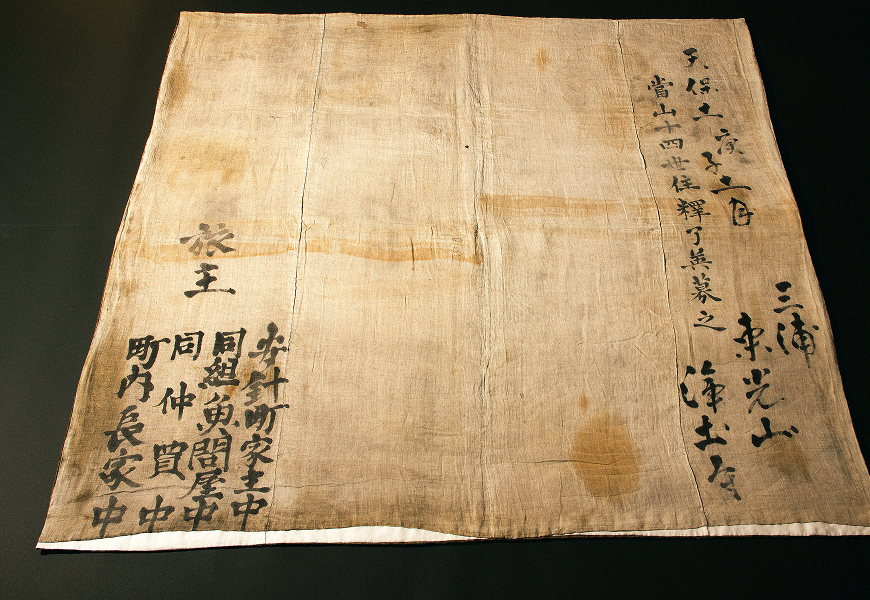
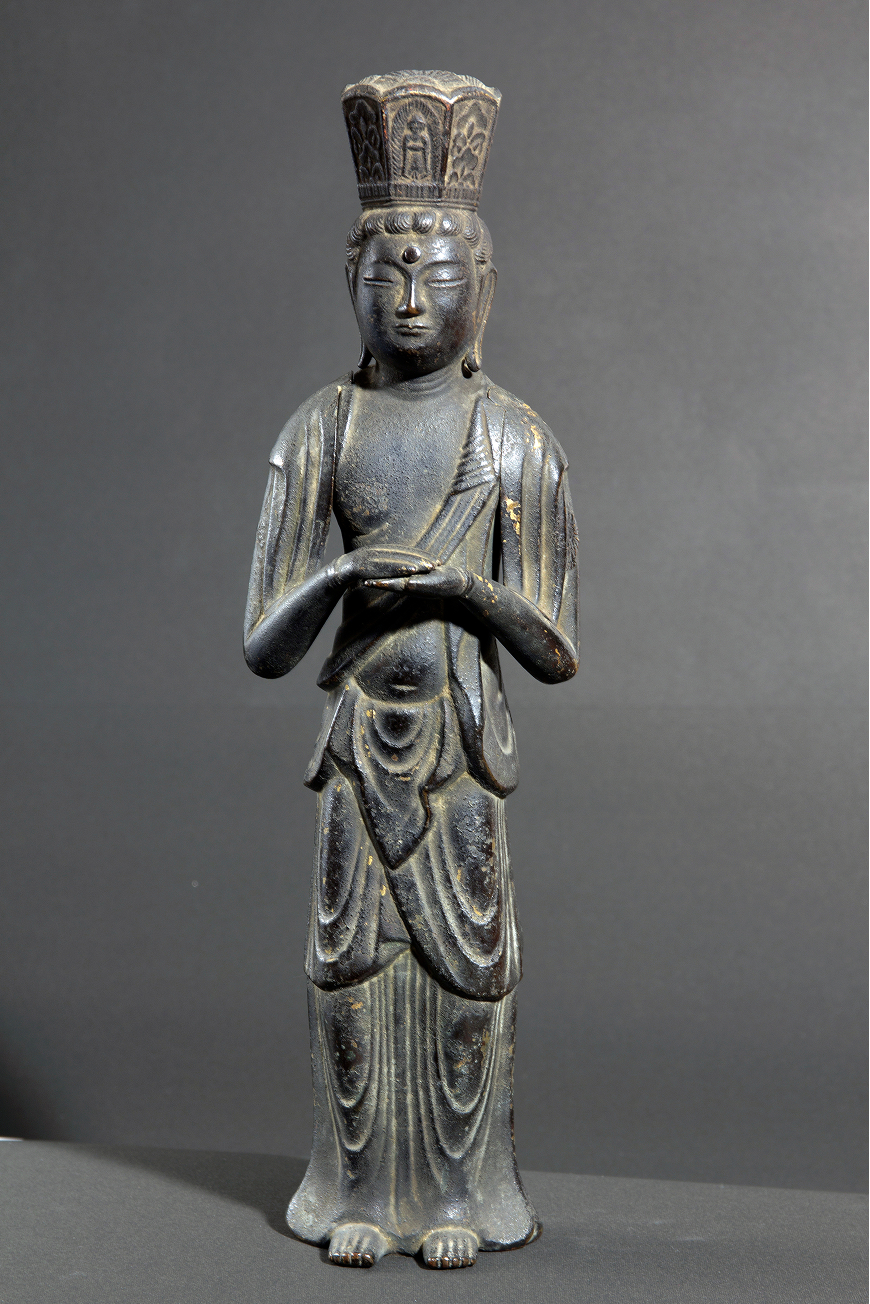
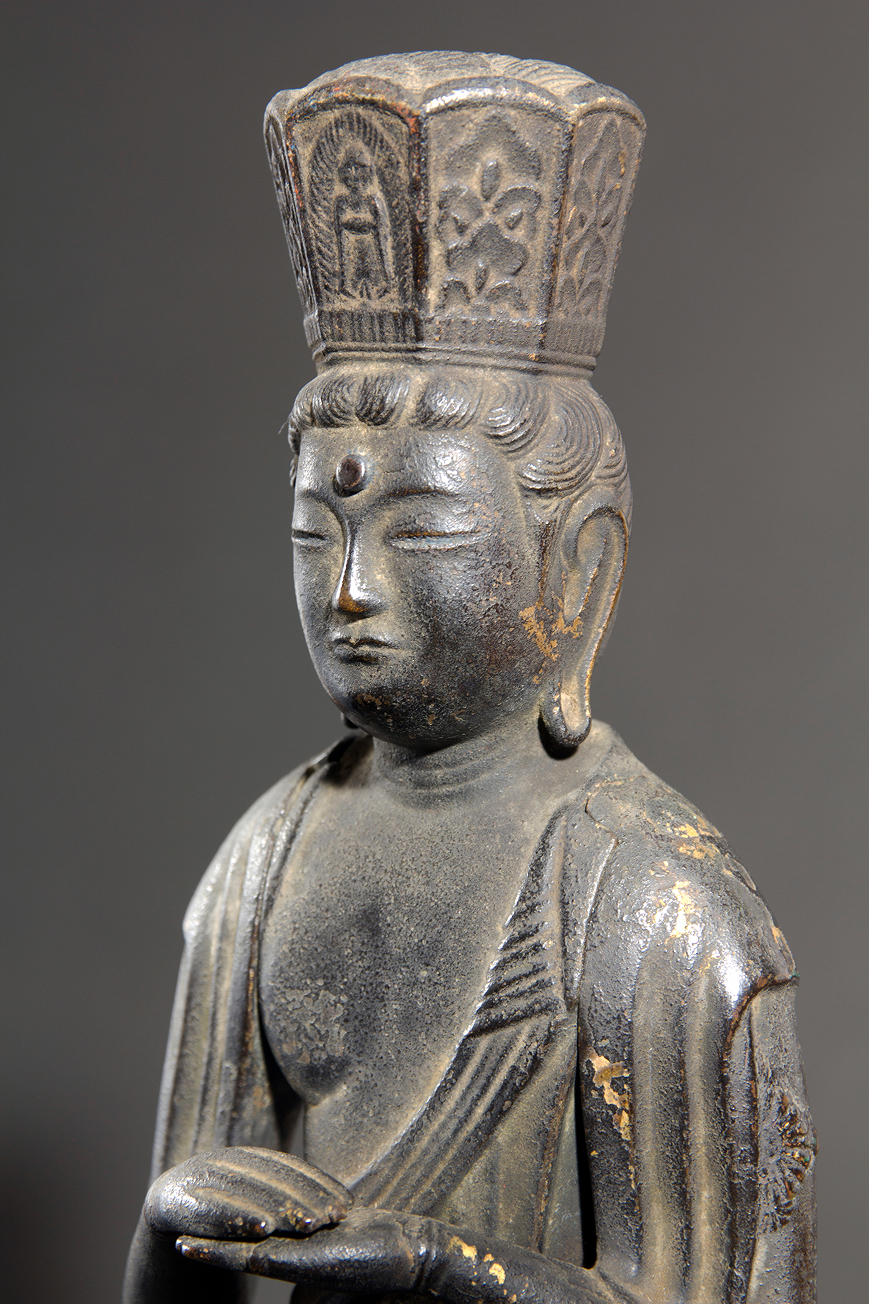
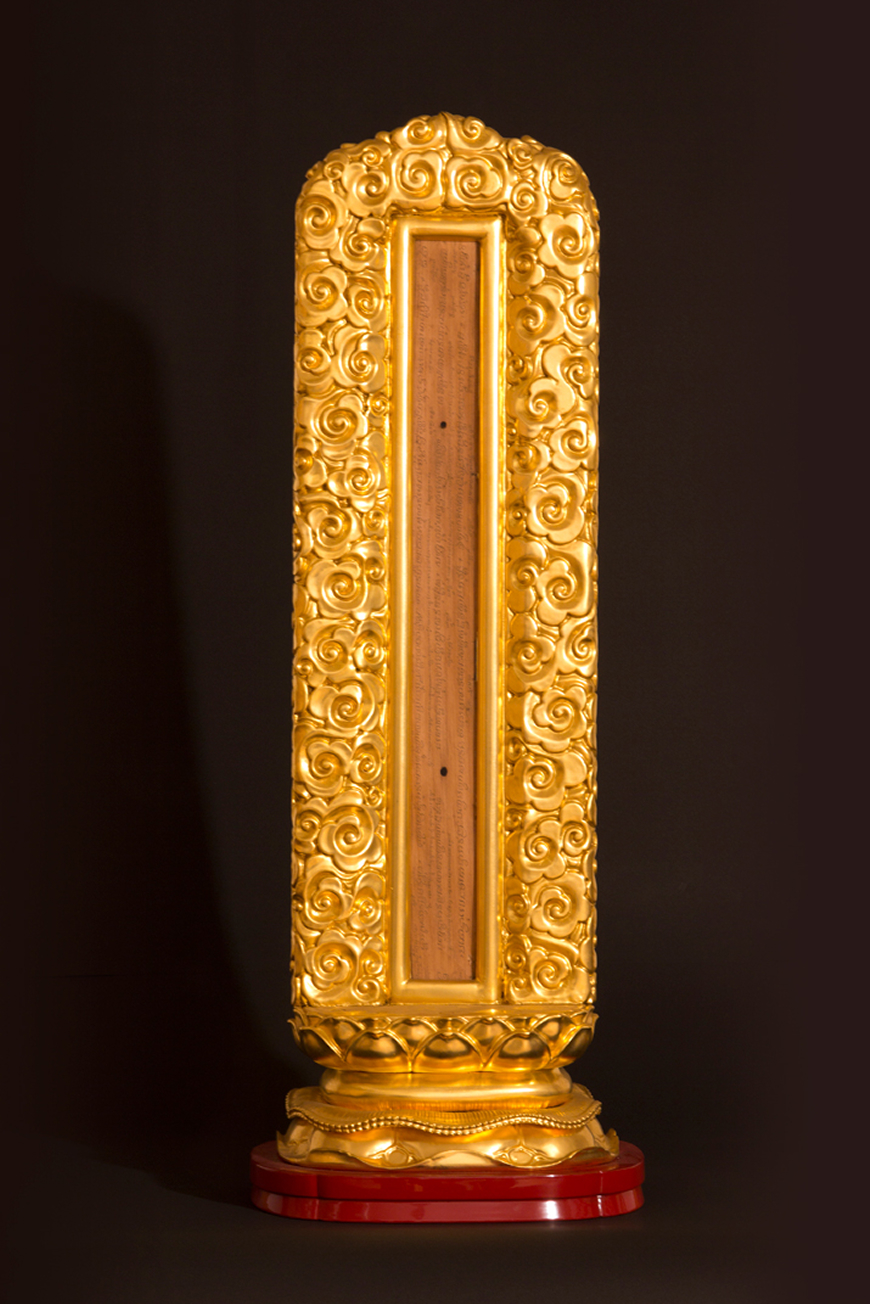
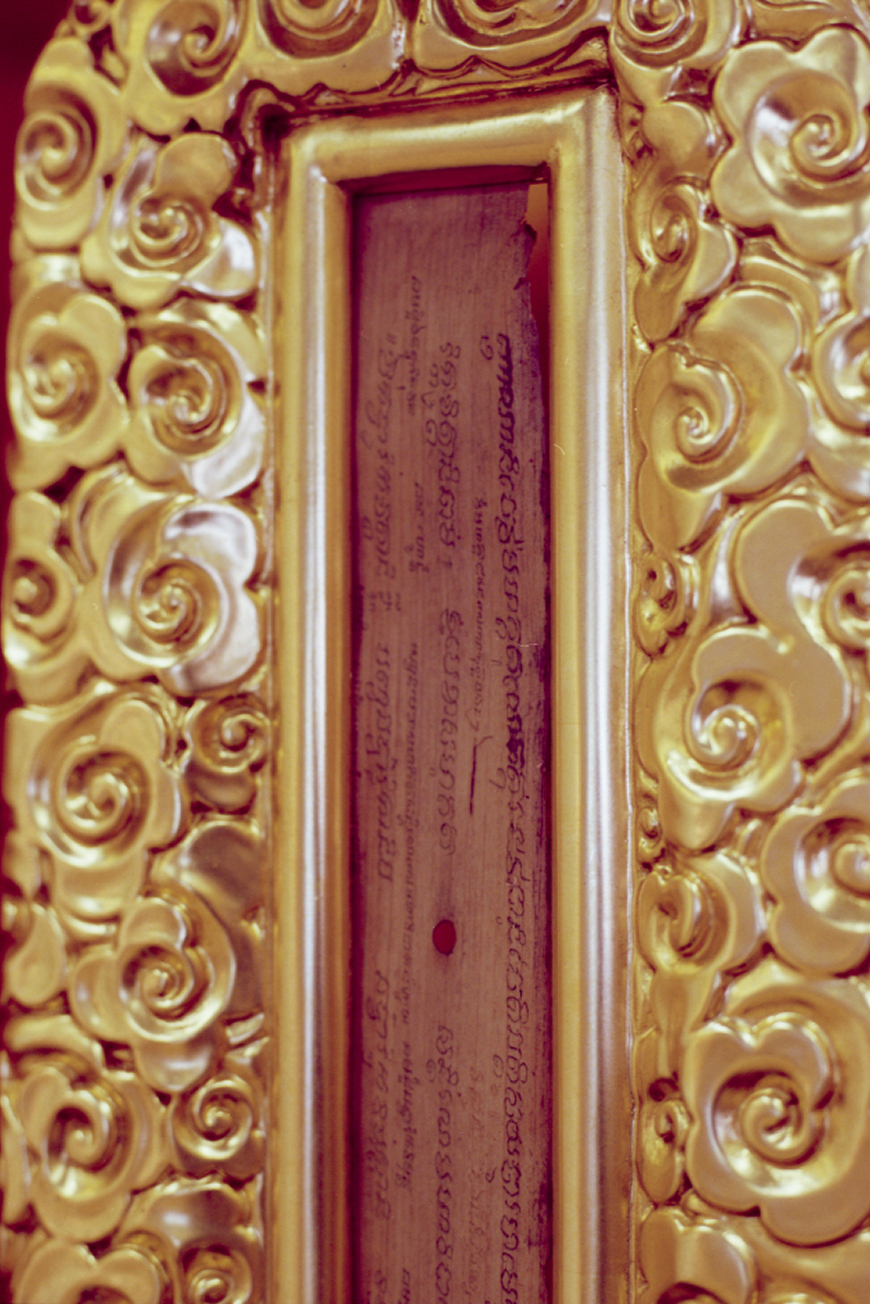
Jodoji Temple preserves various items associated with Anjin, including a bronze standing statue of Kannon believed to be his personal devotional image, palm-leaf Buddhist scriptures said to have been brought back from Southeast Asia through Red Seal trade, and ornate altar cloths donated from Nihonbashi Anjin-cho for memorial services.
Kannon Statue
A late Kamakura-period bronze statue believed to have been Anjin’s personal devotional image. It is designated as an Important Cultural Property of Yokosuka City.
Palm-Leaf Sutras
These sutras are believed to have been brought back from Southeast Asia by Anjin through Red Seal trade. They contain Theravada Buddhist scriptures and are estimated to date from the 17th–18th centuries.
Embroidered Altar Cloth
Donated for memorial services for Anjin, this cloth features colorful embroidery and the Tokugawa family crest, suggesting it was made from the garment of a noblewoman of the Tokugawa household.
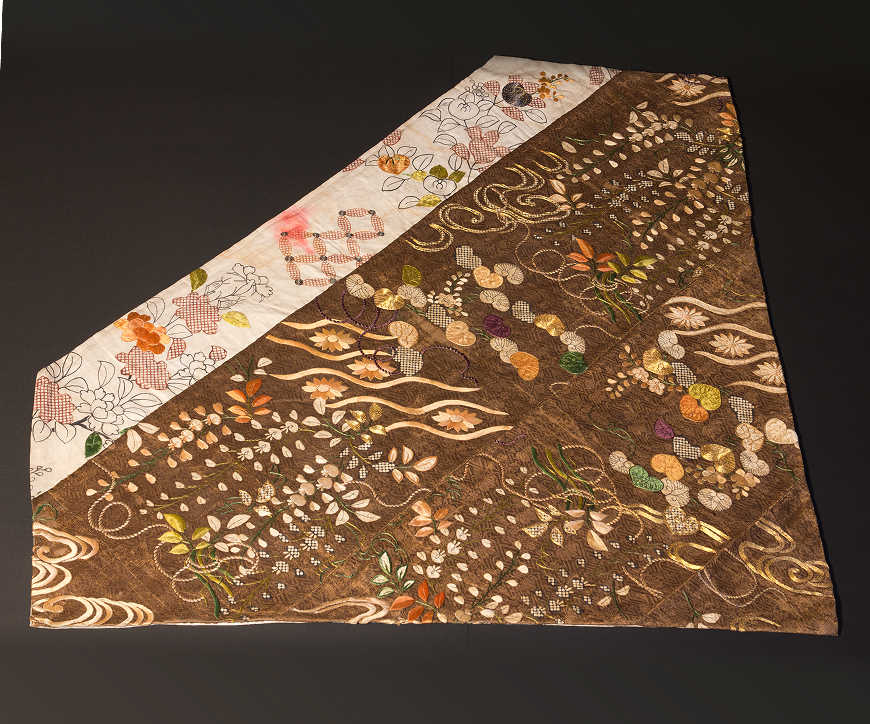
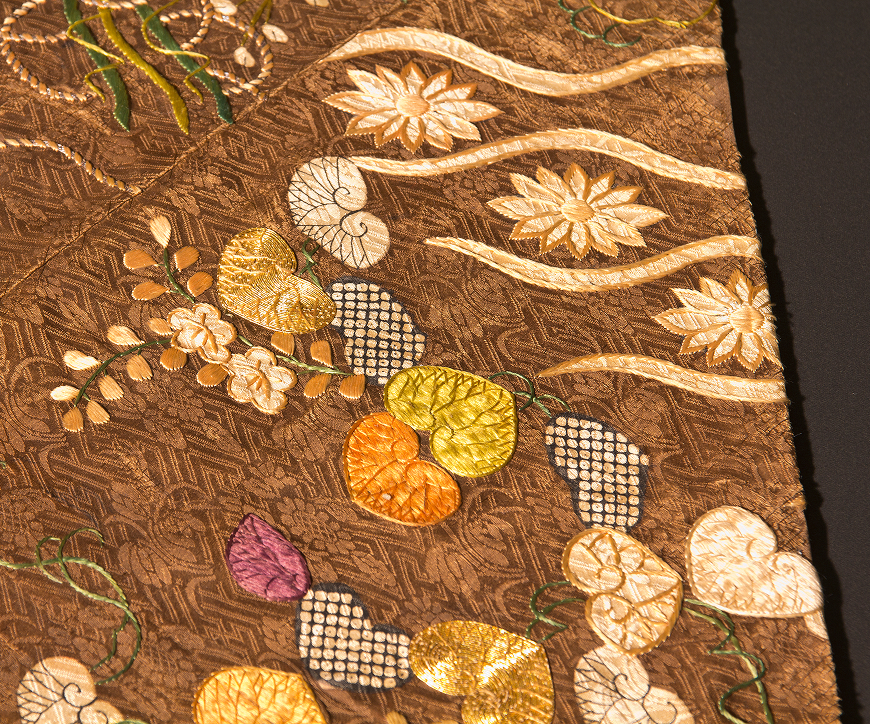
Altar Cloth from Nihonbashi Anjin-cho
Donated in 1840 for the 220th memorial service after Anjin’s death by residents of Nihonbashi Anjin-cho. The front side is woven with luxurious gold thread.